Conversations, connection, and hope at the heart of National Reconciliation Week
2 min read
04 Jun 2026
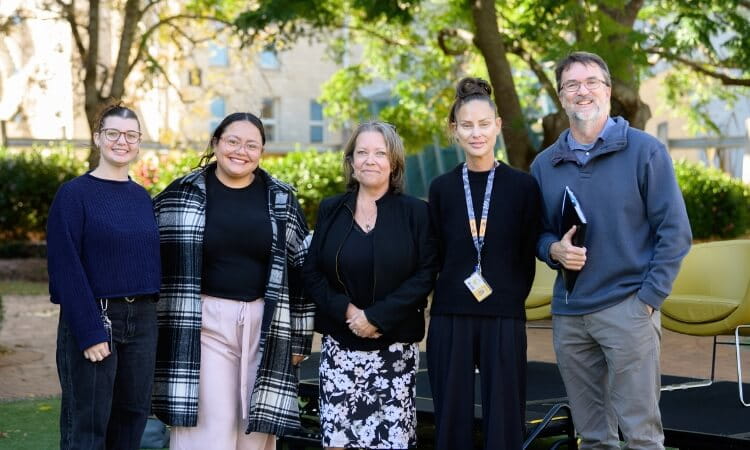
Listening, learning, and continuing the conversation were among the key messages to emerge from UniSQ’s National Reconciliation Week events held across the Ipswich, Springfield, and Toowoomba campuses.
The All In: Conversations for Reconciliation panel discussions brought together First Nations students, staff, and allies to share personal experiences, discuss progress and challenges, and explore what meaningful reconciliation looks like in practice.
The events featured First Nations students Misharleah Fogarty, Hayley Oliver, Seth Bishop, and Stephanie Towers, alongside non-First Nations staff panellists Professor Simon Young and Professor Niki Edwards. The moderator role was shared between Dean (First Nations) Associate Professor John Davis and Indigenous Higher Education Pathways Program Director Tahnee Downs.
A recurring theme throughout the discussions was the importance of ongoing dialogue.
Ms Fogarty said reconciliation needed to be embedded in everyday conversations and actions rather than confined to designated days on the calendar.
“I think the one thing I want everyone to take away from the panel is to continue to have conversations, whether casual or formal, continue to listen, make sure that you’re listening with respect and with that intent to learn more,” she said.
Ms Downs encouraged attendees to engage with First Nations people and perspectives.
“My personal hope for reconciliation is that we lose that awkwardness of asking questions,” she said.
“We can only go forward. Anyone who comes up to a First Nations person wanting to learn more is going to be welcomed.”
Several panellists reflected on the progress they had seen in recent years, particularly through education and the growing visibility of First Nations voices.
Ms Oliver said she had seen significant improvements in how future health professionals were being educated about culturally responsive care.
Mr Bishop said one of the most encouraging signs of progress was seeing more non-Indigenous Australians actively engage with conversations about reconciliation.
“What gives me hope is that there are non-Indigenous people in the room right now,” he said.
“You’ve made a choice to be here and to make it part of your life. There are people who care.”
Professor Young said he was inspired by the strength and pride of young First Nations people and by a growing appreciation of First Nations knowledge and perspectives.
As the discussions concluded, panellists returned to a simple but powerful message: reconciliation belongs to everyone and requires ongoing commitment.
Professor Young shared a quote from First Nations academic and artist Dr Lilla Watson that has guided much of his own thinking on reconciliation.
“If you have come here to help me, you are wasting your time, but if you have come because your liberation is bound up with mine, then let us work together.”
Related news
6 min read
8 Oct 2026
3 min read
8 Sep 2026
1 min read
21 Aug 2026