Rare native mouse found just once in landmark Queensland survey
3 min read
22 Jul 2026
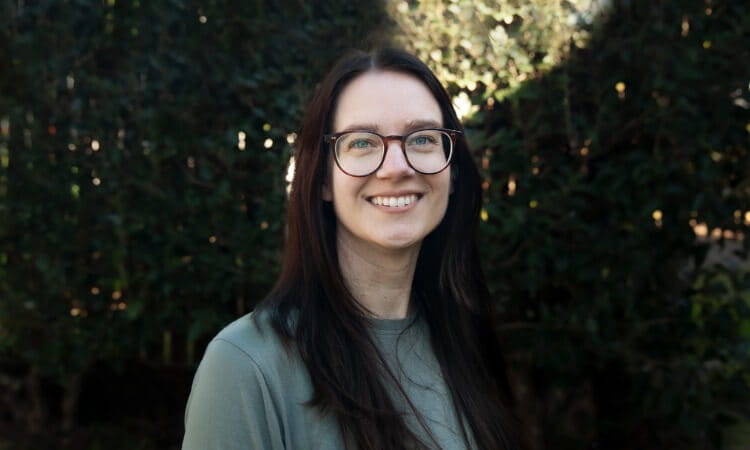
University of Southern Queensland (UniSQ) researchers have raised fresh concerns about the future of one of Queensland’s least-known native mammals after finding just one Pookila during the state’s first targeted survey of the threatened species.
Over nearly three years, researchers conducted more than 10,500 overnight trapping attempts across seven of Queensland’s 10 known Pookila sites – but found just one Pookila.
Also known as the New Holland Mouse, the Pookila (Pseudomys novaehollandiae) is listed as Vulnerable in Queensland and nationally. While populations have been studied in Victoria, Tasmania and New South Wales, little is known about the species in Queensland, where it reaches the northern limit of its range.
Published in the Australian Journal of Zoology, the findings highlight the need for continued monitoring of threatened native rodents to better understand the health of Queensland’s ecosystems and protect species before they are lost.
Lead researcher and UniSQ PhD student Abby Dennien said the single detection suggests the species may be experiencing local declines, natural population fluctuations, changes in its distribution, or a combination of these factors.
“We know southern populations have declined because of pressures such as habitat loss, fragmentation, invasive predators, altered fire regimes, climate change and small population sizes. It’s possible many of these same threats are also affecting Queensland populations,” she said.
Ms Dennien said native rodents are often overlooked compared with iconic Australian wildlife, despite playing essential roles in healthy ecosystems.
“Our native rodents disperse seeds and fungi, help pollinate native plants, turn over soil and provide food for other native animals, making them an important part of Australia's biodiversity,” she said.
“Unfortunately, because native rodents receive far less attention, many people hear the words ‘rodent’ or ‘mouse’ and immediately think of invasive species like the house mouse or black rat.
“Protecting biodiversity is about protecting those lesser-known species as well as iconic animals like koalas and platypuses.
“By increasing awareness of our native rodents such as the Pookila, we can help people better appreciate Australia’s unique wildlife and understand that even small, elusive species are important to the ecosystem.”
Dr Meg Edwards, a wildlife scientist at UniSQ and the study’s senior author, said the project began after an unexpected discovery during a wildlife management field trip in 2022.
“We captured a Pookila during a field trip with our students, which turned out to be the northernmost record of the species,” she said.
“That discovery prompted us to focus on the distribution and ecology of the species, which is poorly understood in Queensland, where very little research has previously been undertaken.
“We wanted to find out about their habitat use, diet, interactions with other species and threats, but this quickly changed when we started surveying and couldn’t find them.”
Dr Edwards said continued monitoring would be essential to better understand the Pookila's status in Queensland and guide future conservation efforts.
“Due to the lack of previous research or monitoring on the species in Queensland, it is hard to definitively confirm a population decline, but this study highlights the need for continued monitoring of this species, and other rodent species, in Queensland,” she said.
“The sooner we understand what's happening with these populations, the better chance we have of protecting them before it's too late.”
The researchers hope to continue monitoring the species, including surveying the remaining three known Queensland sites.
They also encouraged Queenslanders to help native wildlife by protecting natural habitat, maintaining features such as fallen logs, grass tussocks and other native ground cover where possible, and keeping pet cats indoors.
The research was supported through the Queensland Government’s Threatened Species Research Grants program.
The study was co-authored by Abby Dennien, Dr Meg Edwards and Associate Professor John Dearnaley from UniSQ, and Ian Gynther from the Department of the Environment, Tourism, Science and Innovation.
Related news
3 min read
29 Sep 2026
2 min read
25 Sep 2026
7 min read
23 Sep 2026