Personal loss drives UniSQ academic’s work to expose hidden cost of childhood cancer
2 min read
13 Aug 2026
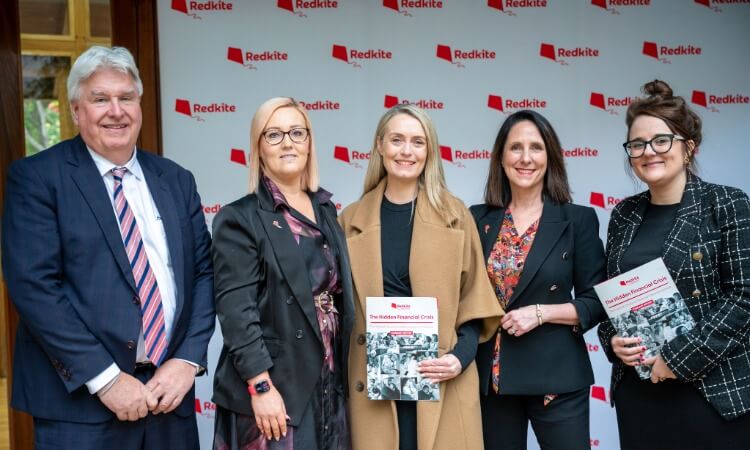
For University of Southern Queensland (UniSQ) academic Dr Kate Cantrell, a landmark new study into the financial burden of childhood cancer is both professional and profoundly personal.
Dr Cantrell contributed to the national report as a researcher and co-author, but also as an aunt who knows firsthand the devastating impact childhood cancer can have on a family.
In 2023, her niece Emily was diagnosed with neuroblastoma, a rare and aggressive childhood cancer. She died shortly after turning five, following complications during treatment.
Now, Dr Cantrell is helping shine a light on another often-hidden consequence of childhood cancer: the significant and long-lasting financial burden experienced by Australian families in the wake of a diagnosis.
“Behind every diagnosis is a family navigating not only the emotional and medical challenges of treatment, but significant financial hardship as well,” Dr Cantrell said.
“This research confirms the impacts can extend for years, affecting employment, household finances, physical and mental wellbeing, and family relationships.
“Financial toxicity can be just as devastating as the toxicity caused by treatment.”
The report – The Hidden Financial Crisis: The Financial Toxicity of Childhood Cancer in Australia – was launched at Parliament House in Canberra this week.
Dr Cantrell and UniSQ Vice-Chancellor and President Professor Paul Mazerolle attended alongside the Prime Minister, national leaders in childhood cancer, policymakers, and sector representatives.
Led by the national childhood cancer charity Redkite and developed in partnership with UniSQ and other Australian research institutions, the research provides the most comprehensive national evidence to date on the economic burden faced by families navigating childhood cancer.
Drawing on a national survey of more than 450 parents and in-depth interviews with families across Australia, the study found childhood cancer places substantial financial pressure on households through out-of-pocket expenses, employment disruption, and reduced income, with impacts often continuing long after treatment has ended.
Dr Cantrell said the findings laid bare the lifelong, life-altering, and largely invisible cost of childhood cancer.
“I know firsthand that cancer doesn’t stop when treatment stops. Life never returns to normal,” she said.
“By documenting the experiences of families like mine, we hope to contribute evidence that improves understanding of the challenges families face and supports better outcomes for children and their caregivers.
“The research is clear. The lived experience is clear. What’s needed now is sustained investment, systemic change, and a system that is fit for purpose.”
Among the findings, families reported average out-of-pocket costs of approximately $33,000 following a child’s cancer diagnosis, while 95 per cent of parents experienced at least one employment change as a result of their child’s illness.
More than half of families whose child was diagnosed five or more years earlier reported they had not returned to their previous employment or income levels.
The study was a national research collaboration between Redkite, UniSQ, UNSW, QUT, Canteen, and Cancer Council Queensland.
Related news

5 min read
7 Oct 2026
9 min read
24 Sep 2026
2 min read
16 Sep 2026