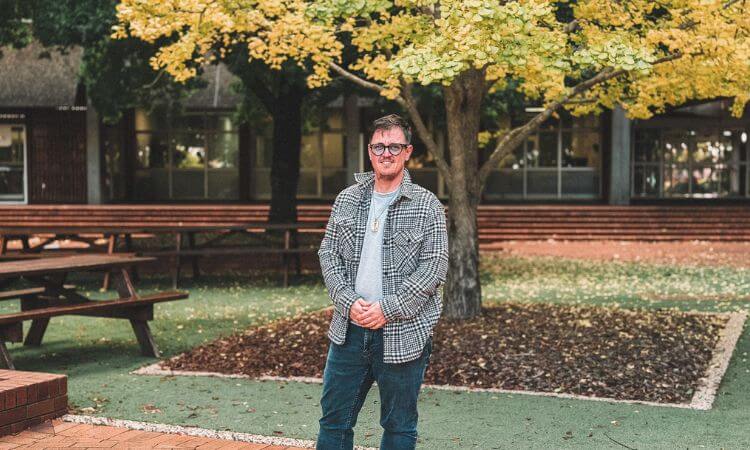
A catalyst for positive change, Julia Spicer OAM is widely regarded as one of Queensland’s most influential regional business leaders.
From founding Engage & Create Consulting in Goondiwindi to her appointment as Queensland’s Chief Entrepreneur in 2022, and now serving as a councillor for Goondiwindi Regional Council, Ms Spicer’s work has been driven by a clear mission: to strengthen the vibrancy and viability of rural and regional Australia by helping businesses grow.
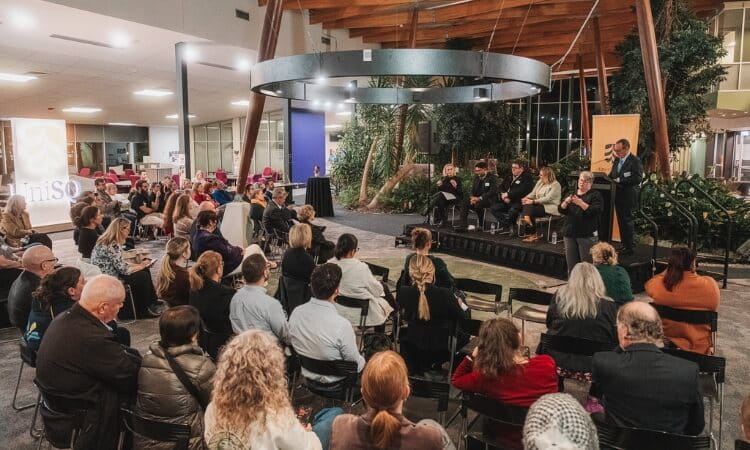
She will join the panel at the UniSQ Thought Leadership Series event, Rethinking Governance in a Changing World, to discuss what effective, modern governance looks like and how it can deliver better outcomes for communities.
We sat down with her ahead of the event to talk about her journey, her passion for regional communities, and what drives her leadership.
What sparked your passion for regional Australia and set you on the path to become a leader in business and community development?
I grew up north of Roma, in a community called Bymount, about 30km south of Injune. Regardless of age, the expectation was that everyone contributed to the events/activities – whether at school, a tennis match or elsewhere. Volunteering and contributing to something greater than our own family was a strong value instilled in us by our parents.
How has your regional upbringing influenced your leadership style and values?
I moved to Goondiwindi for a three-month contract 20 years ago. I have grown up, lived and worked all over Southwest Queensland and have always stayed connected to people. I believe in a theory that if you do well, so will I – and vice versa. Regional Queensland is too small not to want to support others.
You’ve founded and led multiple ventures, including Engage & Create Consulting and the Goondiwindi Business Hub. What kinds of challenges and opportunities have shaped you most as an entrepreneur?
UniSQ Professor Ben Lyons knows I have used this line a bit – but I say that I didn’t realise I was entrepreneurial, I thought I was scrappy and loud! I think we have an innate ability to look at doing things differently, and that lends itself to being entrepreneurial. We have fewer resources but are trying to solve the same challenges.
As a panellist for the UniSQ Thought Leadership Series event on governance, how do you define “good governance” in today’s rapidly changing world?
It is about having a defendable process to get us from point A to point B – or from challenge to solution that we can see that it is meeting the expectations of those we serve. We also need to act – governance provides the boundaries to still get stuff done.
What lessons from your work in regional business and community leadership do you think are most relevant for organisations striving to improve governance practices?
You can’t please everyone, but if people can understand how you made the decision, they can respect an outcome they don’t like. Progress over perfection, and we need to be working towards the point on the horizon where we want to arrive – action/movement/focusing forward.
How do you see the relationship between governance and community trust, especially in regional or rural contexts?
So important! We have a greater ability to connect with decision makers in the regions. The likelihood of you knowing the Mayor, or state MP in the regions is high, much higher than for those living in Brisbane, Sydney or Melbourne.
With digital disruption and rapid change, what governance challenges do you think organisations need to address most urgently?
Cyber security and understanding how your data could be accessed/hacked is a massive threat. At the same time, it is still human error that causes most scams to eventuate, so training the team is very important. And then some of the traditional risks are as relevant as ever – reputational damage, succession planning – especially in the age of social media/disinformation.
What are you most looking forward to discussing at the Rethinking Governance in a Changing World event, and what do you hope attendees will take away?
Governance underpins everything! And it is more adaptable and outcomes-focused than people often think. We all want to get stuff done – governance helps us do this and replicate the success.
Hear more from Julia Spicer OAM at the UniSQ Thought Leadership Series event: Rethinking Governance in a Changing World. Register now.