PL-Connect 2026
PL‑Connect is a series of short, high‑impact professional learning sessions developed and delivered by academics and industry experts from UniSQ’s School of Education and Creative Arts (SECA). Designed to be practical, relevant, and accessible, each session is research‑informed, focused on actionable strategies, and available online. All sessions are recorded for flexible access and offered at an affordable cost of just $30 per session, making PL‑Connect an ideal option for a wide range of professionals looking to expand and refresh their professional learning experiences.
Click the 'Register now' button to register for an entire series, or specific sessions within a series.
PL-Connect topics
This four-part series cuts through trauma-informed theory to show what actually works in classrooms. Learn how trauma shapes the brain, behaviour, and learning, and leave with practical, evidence-informed strategies you can use immediately to respond, build safe environments, and protect your own wellbeing.
Presenter, Dr Glenys Oberg is a Lecturer in Education (Educational Psychology and Wellbeing) at the University of Southern Queensland, specialising in teacher wellbeing, trauma-informed practice, and compassion fatigue. Her research explores how emotional labour, trauma exposure, and systemic pressures shape teacher burnout and sustainability, with a focus on practical, school-based solutions. Glenys works closely with schools and systems to translate research into accessible, evidence-informed strategies that support both student outcomes and teacher wellbeing.
Session 1: The neurobiology of trauma – Why students can’t just “calm down"
Understand what’s actually happening in the brain when students are overwhelmed and why “just calm down” doesn’t work. Walk away with clear, science-informed insights you can immediately apply to reduce escalation and support learning.
Date: 25/05/2026
Time: 4.30 pm – 6 pm
Target Audience: Teachers (primary and secondary), school support staff, school leaders..
Applicable APSTs or other relevant professional/industry standards: 1.1, 1.2, 4.1.c
Session 2: Behaviour as communication: Understanding trauma-impacted students
Shift how you see behaviour by learning to decode what students are really communicating through actions like aggression, shutdown, and disengagement. Leave with practical ways to
respond that de-escalate situations and build connection.
Date: 1/06/2026
Time: 4.30 pm - 6 pm
Target Audience: Teachers, school support staff, behaviour support teams.
Applicable APSTs or other relevant professional/industry standards: 1.1, 1.6, 4.3.
Session 3: Regulation before learning: Practical strategies that work
Get practical strategies you can use immediately to regulate students, de-escalate challenging moments, and get learning back on track. This session focuses on what actually works in real classrooms, not just theory.
Date: 8/06/2026
Time: 4.30 pm - 6 pm
Target Audience: Teachers, school support staff, early career teachers.
Applicable APSTs or other relevant professional/industry standards: 3.5, 4.1, 4.2.
Session 4: Trauma-informed practice without burnout: Supporting students sustainably
Learn how to support trauma-affected students without taking it all on yourself. Walk away with realistic strategies to protect your energy, prevent burnout, and sustain this work long-term.
Date: 15/06/2026
Time: 4.30 pm - 6 pm
Target Audience: social workers, guidance officers, teachers, school leaders, wellbeing staff.
Applicable APSTs or other relevant professional/industry standards: 6.1, 6.2, 7.4.

This series help teachers build student confidence and flexible fluency through number relationships, not isolated facts. Engage in practical activities exploring additive, multiplicative, and proportional reasoning that you can use in your classroom to develop strategic mathematical thinkers.
Presenter, Jane Batham, is a Lecturer in STEM Education at University of Southern Queensland with over 25 years of experience as a classroom teacher, curriculum leader, and digital learning specialist. She is passionate about empowering teachers to create engaging learning experiences that inspire the next generation of problem-solvers.
Session 1: Making sense of numbers: Place value foundations and additive reasoning
Build strong foundations in additive reasoning by exploring how part-part-whole thinking and place value understanding develop flexible mental computation strategies. Engage in practical activities that show how teaching number relationships in addition and subtraction creates confident, strategic thinkers and sets students up for success.
Date: 24/06/2026
Time: 4.00 pm – 5.30 pm
Target Audience: Primary school teachers
Applicable APSTs or other relevant professional/industry standards: 1.2, 2.1, 2.5, 3.3
Session 2: Making sense of numbers: Developing multiplicative reasoning
Discover how multiplicative thinking builds from additive foundations but requires its own relational understanding to move students beyond repeated addition. Experience practical activities that develop true multiplicative reasoning through arrays, scaling, and inverse operations that connect directly to thinking about fractions and proportions.
Date: 15/07/2026
Time: 4.00 pm – 5.30 pm
Target Audience: Primary school teachers
Applicable APSTs or other relevant professional/industry standards: 1.2, 2.1, 2.5, 3.3
Session 3: Making sense of numbers: Fractions and proportional reasoning
Explore how fraction and proportion understanding emerges naturally when students have strong additive and multiplicative foundations. Engage in practical activities that show how the same relational thinking strategies transfer to fractions, decimals, and proportional reasoning, creating coherent mathematical understanding across all primary years.
Date: 05/08/2026
Time: 4.00 pm – 5.30 pm
Target Audience: Primary school teachers
Applicable APSTs or other relevant professional/industry standards: 1.2, 2.1, 2.5, 3.3

This series is a multi-disciplinary response to the school attendance crisis in Australia. With the aim of supporting school leaders, well-being professionals, psychologists, counsellors, classroom teachers and parents, all stakeholders will gain insights into school attendance stress and distress while also learning practical strategies to best support children and young people with school attendance distress.
Presenter, Dr Rachel Leslie, is a Lecturer of Curriculum and Pedagogy (Educational Psychology) at the University of Southern Queensland. She has 20 years’ experience across multiple education settings, including early childhood, primary and secondary contexts, with nearly a decade of experience in the tertiary setting. In her own research, Rachel has focused on school attendance, parental experiences, microaggressions and allyship within educational contexts.
Session 1: Leading for safety and engagement: Strategic approaches to school attendance challenges
School leaders play a critical role in shaping environments where all students feel safe, connected, and able to attend. This session provides a leadership-level view of school attendance difficulties through a stress and safety lens, drawing on contemporary research into “school can’t” and the systemic factors that influence student wellbeing. Leaders will explore practical, whole-school strategies to strengthen culture, refine communication, support staff capability, and engage families collaboratively in prevention and intervention work.
Date: 11/06/2026
Time: 1.30 pm – 3.00 pm
Target Audience: Principals, Deputies, Heads of Wellbeing, Heads of Student Support
Applicable APSTs or other relevant professional/industry standards: Middle Leadership | Leading improvement, innovation, and change | Leading the management of the school | Engaging and working with the community | Guidance Professionals | APSTs 4.1, 4.4, 6.2, 6.3, 7.4
Session 2: Supporting every step: Clinical and wellbeing strategies for school attendance problem
Wellbeing professionals are central in identifying, conceptualising, and supporting students experiencing school based distress. This session deepens understanding of psychological, emotional, social, and neurodiversity related influences on “school can’t,” and introduces practical tools for case conceptualisation using predisposing, precipitating, perpetuating, and protective factors. Participants will also learn brief solution focused counselling techniques to support students and families, including scaling, identifying exceptions, and building small, achievable next steps.
Date: 16/06/2026
Time: 3.30 pm – 5.00 pm
Target Audience: Guidance Officers, School Psychologists, Counsellors, School Social Workers
Applicable APSTs or other relevant professional/industry standards: ACA: Professional Practice Ethics Competency Diversity and Inclusion Quality Assurance. AHPRA: Culturally safe, evidence-informed practice Ethical, client centred communication Working within scope of practice and maintaining professional competence Ensuring safety and minimising harm.
APSTs: 1.1 – Physical, social, and intellectual development and characteristics of students; 1.6 – Strategies to support full participation of students with disability; 4.1 – Support student participation; 4.4 – Maintain student safety; 7.3 – Engage with parents/carers.
Session 3: Building school Attendance through a sense of safety framework: How to be proactive rather than reactive
This presentation reframes school attendance distress as an early safety signal rather than a behavioural or compliance problem, using the Sense of Safety framework to shift thinking from reaction to prevention. Participants will gain a clear, trauma informed understanding of how attendance difficulties emerge when safety is compromised across relationships, environments, bodies, and identity. They will leave with a practical, systems level lens for identifying early risk, reducing escalation, and designing school/home responses that restore safety so engagement and attendance can emerge naturally.
Date: 18/06/2026
Time: 3.30 pm – 5.00 pm
Target Audience: School leaders, teachers, wellbeing professionals, and (optional) parents
Applicable APSTs or other relevant professional/industry standards: 4.1 – Support student participation; 6.3 – Engage with colleagues and improve practice; 7.3 – Engage with parents/carers; plus (for leaders and wellbeing staff): Leading improvement, innovation, and change; Ensuring a safe, inclusive learning environment; Collaborating with the community.
Session 4: In the classroom: Recognising early signs and supporting attendance through safety and connection
Classroom teachers are uniquely placed to notice early indicators of school stress and respond in ways that promote safety, belonging, and engagement. This session provides teachers with practical strategies to reduce cognitive load, accommodate sensory and emotional needs, and build predictable, relationally rich classroom routines. Participants will also learn simple, solution focused communication strategies for checking in with students and partnering with families to support early intervention.
Date: 23/06/2026
Time: 3.30 pm – 5.00 pm
Target Audience: Classroom teachers (early childhood, primary, secondary), teacher aides
Applicable APSTs or other relevant professional/industry standards: 1.1 – Physical, social, and intellectual development and characteristics of students; 1.6 – Strategies to support full participation of students with disability; 4.1 – Support student participation; 4.4 – Maintain student safety; 7.3 – Engage with parents/carers.
Session 5: Understanding school can’t — A Parent Guide to supporting children through stress-based attendance challenges
This parent friendly session explains school attendance difficulties through a stress and safety framework, helping families understand why school stress and distress occur and how to respond supportively. Parents will learn how factors such as neurodiversity, masking, somatic symptoms, sensory overwhelm, and exhaustion can shape school based distress.
Practical tools include strategies for difficult mornings, scripts for calm conversations, and brief solution focused techniques families can use to reduce conflict, build confidence, and collaborate effectively with schools.
Date: 25/06/2026
Time: 7 pm – 8.30 pm
Target Audience: Caregivers and parents

This series supports teachers and school leaders to use AI in ways that reduce workload, strengthen professional judgement, and improve student learning. Grounded in the Ethical Augmentation Framework, each session provides practical strategies, real classroom examples, and clear decision-making tools you can use immediately to help you engage with AI confidently while keeping teaching and learning human.
Presenter, Dr Nicole Brownlie, is a teacher educator and researcher at the University of Southern Queensland, specialising in assessment, teacher wellbeing, and the role of artificial intelligence in education. Her work focuses on supporting teachers to use AI in ways that strengthen professional judgement and sustain meaningful teaching practice. She is the developer of the Ethical Augmentation Framework, which is being used to guide AI-informed practice in schools and professional learning contexts.
Session 1: Making sense of AI in schools: A practical framework for teachers and leaders
AI is already shaping classroom practice, but many educators are left unsure what effective use actually looks like. This session introduces a clear, practical framework to help you make confident decisions about AI that support professional judgement, reduce unnecessary workload, and keep learning at the centre. You will leave with a simple, practical decision-making framework you can use immediately to evaluate when, how, and why to use AI in your own context.
Date: 22/07/2026
Time: 4.00 pm – 5.00 pm
Target Audience: Early career, graduate, and experienced teachers; middle leaders; and school leaders seeking a clear and practical starting point for engaging with AI in schools.
Applicable APSTs or other relevant professional/industry standards: 6.2 – Engage in professional learning and improve practice; 6.3 – Engage with colleagues and improve practice; 7.2 – Comply with legislative, administrative and organisational requirements.
Session 2: Designing assessment that works in an AI-influenced classroom
As AI becomes more accessible, traditional assessment approaches are under increasing pressure. In this session, you will learn how to design assessment that makes student thinking visible, maintains rigour, and uses AI as a support for learning rather than a shortcut. You will leave with at least one redesigned assessment idea and a set of practical strategies to make student thinking visible and maintain academic integrity.
Date: 5/08/2026
Time: 4.00 pm – 5.00 pm
Target Audience: Primary and secondary teachers, instructional leaders, and curriculum leaders responsible for assessment design and moderation.
Applicable APSTs or other relevant professional/industry standards: 5.1 – Assess student learning; 5.2 – Provide feedback to students on their learning; 3.4 – Select and use resources
Session 3: Differentiation without overload: Using AI to support diverse learners
Differentiation is essential, but it is also one of the most time-intensive aspects of teaching. This session explores how AI can be used to support responsive, flexible teaching approaches that meet diverse learner needs without adding to workload or reducing expectations. You will leave with practical strategies and examples of how to use AI to plan, adapt, and respond to learner variability while maintaining professional judgement and manageable workload.
Date: 19/08/2026
Time: 4.00 pm – 5.00 pm
Target Audience: Classroom teachers (all career stages), learning support teachers, and middle leaders focused on inclusive practice and student engagement.
Applicable APSTs or other relevant professional/industry standards: 1.5 – Differentiate teaching to meet the specific learning needs of students across the full range of abilities; 1.6 – Strategies to support full participation of students with disability; 3.3 – Use teaching strategies.
Session 4: Students, AI, and learning that stays their own
Students are already using AI, often in ways that are difficult to see and manage. This session focuses on practical strategies for teaching students to use AI critically and ethically, while maintaining ownership of their learning and developing genuine understanding. You will leave with practical classroom strategies and clear language you can use to guide students in using AI ethically while maintaining ownership of their learning.
Date: 2/09/2026
Time: 4.00 pm – 5.00 pm
Target Audience: Classroom teachers (all career stages), Heads of Department, and leaders responsible for student learning, engagement, and academic integrity.
Applicable APSTs or other relevant professional/industry standards: 4.5 – Use ICT safely, responsibly and ethically; 3.4 – Select and use resources; 7.2 – Comply with legislative, administrative and organisational requirements.
Session 5: Leading AI in schools: From individual practice to whole-school coherence
Without a shared approach, AI use in schools can quickly become inconsistent and fragmented. This session explores how to develop a coherent, values-led approach that supports teachers, protects time, and aligns practice across classrooms and teams. You will leave with a clear set of next steps for building a shared, school-wide approach to AI that supports consistency, reduces pressure on staff, and aligns with your context.
Date: 16/09/2026
Time: 4.00 pm – 5.00 pm
Target Audience: School leaders, middle leaders, instructional coaches, and those involved in policy, curriculum, or whole-school approaches to teaching and learning.
Applicable APSTs or other relevant professional/industry standards: 6.3 – Engage with colleagues and improve practice; 7.4 – Engage with professional teaching networks and broader communities; 5.1 – Assess student learning (whole-school assessment alignment).

This professional learning series equips educators with practical strategies to enhance mathematics instruction in primary school settings, covering engagement, numeracy development, supporting maths anxiety, fostering a growth mindset, and using manipulatives to create engaging, inclusive, and effective learning environments.
Session 1: Developing Numeracy Through Problem-Based Learning in Primary School Classrooms
This engaging professional learning session supports primary school teachers in developing children's numeracy through real-world, problem-based learning. Grounded in practical classroom examples, the session explores how to teach numeracy using rich tasks that build mathematical, strategic, and contextual knowledge. Participants will examine how to foster critical dispositions, confidence, and problem-solving skills in children. Through hands-on activities, teachers will leave equipped with strategies to design meaningful numeracy tasks that connect to everyday contexts and promote mathematical thinking for citizenship, work, and personal life.
Presenter: Associate Professor Seyum Getenet

Date: 21/07/2026
Time: 4.00 pm – 5.30 pm
Target Audience: Primary school Teachers
Applicable APSTs or other relevant professional/industry standards: 1.2, 2.5, 3.3
Session 2: Positive maths mindsets: Reducing maths anxiety in learners
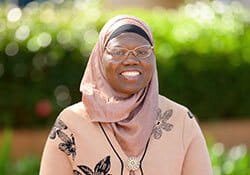
This professional learning session equips teachers with strategies to support students experiencing maths anxiety while fostering a growth mindset in the classroom. Through evidence-based approaches, participants will explore how to build students’ confidence, resilience, and positive attitudes toward mathematical learning. The session covers practical techniques for reducing anxiety, promoting productive struggle, and encouraging a culture where mistakes are valued as learning opportunities. Teachers will engage with real-world classroom examples, mindset-building strategies, and hands-on activities to create an inclusive, supportive environment. By implementing these strategies, educators can empower students to embrace challenges, persist in problem-solving, and develop a lifelong appreciation for mathematics.
Presenter: Dr Saidat Adeniji
Date: 28/07/2026
Time: 4.00 pm – 5.30 pm
Target Audience: Primary School teachers
Applicable APSTs or other relevant professional/industry standards: 1.1, 2.6, 3.3
Session 3: Mastering Maths with manipulatives!
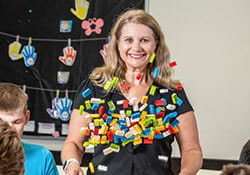
This professional learning session explores the vital role of manipulatives in supporting diverse learning needs in the primary classroom. Educators will examine how hands-on materials enhance conceptual understanding, engagement, and problem-solving skills for all students, including those with additional learning needs. The session provides practical strategies for integrating manipulatives across mathematical concepts, fostering deep learning through exploration and active participation. By using concrete resources effectively, teachers can create inclusive, student-centered environments where every child builds confidence and mastery in mathematics.
Presenter: Associate Professor Melissa Fanshawe
Date: 4/08/2026
Time: 4.00 pm – 5.30 pm
Target Audience: Primary School Teachers
Applicable APSTs or other relevant professional/industry standards: 1.2, 1.5, 3.3, 4.1

Come for a fun and useful session on play, music and movement for early childhood settings. Learn new songs and rhymes and techniques for successfully using them with children.
Presenter, Claire Nicholls, brings specialisations in classroom music, community music making and an interest in aural-vocal approaches. Along with a healthy dose of fun and laughs, sessions are highly practical with applications to working with children in an embodied and experiential way.
Session 1: Come and Play – Animal songs, games and rhymes
Date: 16/07/2026
Time: 5.30 pm – 6.30 pm and simultaneously at UniSQ Toowoomba in room G414B
Target Audience: Early childhood educators working with 3-8 year olds; Enrichment for preservice teachers for lower primary and early childhood
Applicable APSTs or other relevant professional/industry standards: APSTs: 2.4; 3.4; 6.2 EYLF: LO1; LO4; LO5. NQS standards: 1.1; 1.2 2.1
Session 2: Come and Play – International songs, games and rhymes
Date: 8/10/2026
Time: 5.30 pm – 6.30 pm and simultaneously at UniSQ Toowoomba in room G414B
Target Audience: Early childhood educators working with 3-8 year olds; Enrichment for preservice teachers for lower primary and early childhood
Applicable APSTs or other relevant professional/industry standards: APSTs: 2.4; 3.4; 6.2 EYLF: LO1; LO4; LO5. NQS standards: 1.1; 1.2 2.1

This professional learning series equips primary school generalist classroom and specialist arts teachers with practical drama based strategies that enrich engagement, deepen inquiry, and strengthen curriculum learning across the arts, literacy, and HASS. In the workshops, teachers explore how to use drama conventions, integrate Drama with HASS, bring picture books to life, and use process drama to explore sustainability. The series builds teacher confidence, creativity, and pedagogical skill, empowering them to create imaginative, and inclusive learning experiences that support students as expressive thinkers.
Presenter, Dr Marthy Watson, is a lecturer in Curriculum and Pedagogy at the University of Southern Queensland and an experienced arts educator who has taught across South Africa, New Zealand, and Australia for more than 25 years. Her research explores how reflective practice and arts based approaches can enrich learner engagement, strengthen critical and creative thinking, and support teachers to transform their practice through meaningful school partnerships. She is passionate about understanding children’s expressive learning and developing arts rich programs that empower students as curious, active, lifelong learners.
Session 1: Calling all earth guardians — Using drama to teach sustainability
This workshop introduces teachers to process drama as a powerful approach for exploring sustainability concepts within the HASS curriculum. Teachers leave with practical strategies, a model learning sequence, and confidence to create engaging, inquiry rich sustainability experiences in their own classrooms.
Date: 28/07/2026
Time: 5.00 pm – 6.30 pm
Target Audience: Middle and upper primary school generalist teachers (Years 3 and 6) and specialist arts teachers
Applicable APSTs or other relevant professional/industry standards: Standard 1.2; Standard 2.1; Standard 3.3 and Standard 4.1
Session 2: Drama conventions in action: Practical tools for the primary school classroom
This workshop introduces teachers to drama conventions that build engagement, support creative expression, and deepen student understanding. Participants experience each convention from a learner’s perspective and explore creative ways to embed them into lessons.
Date: 11/08/2026
Time: 5.00 pm – 6.30 pm
Target Audience: Prep – Year 6 Primary school generalist and specialist arts teachers
Applicable APSTs or other relevant professional/industry standards: Standard 1.2; Standard 2.1; Standard 3.3 and Standard 4.1
Session 3: Using picture books for drama-based learning in early/middle years to spark engagement and understanding
This workshop explores how picture books can be used as rich stimuli for drama based learning. Teachers unpack visual and narrative elements before introducing drama conventions that deepen comprehension, expand vocabulary, and enhance imaginative engagement. Participants leave with practical routines and activities for bringing texts to life across Prep – Year 4.
Date: 25/08/2026
Time: 5.00 pm – 6.30 pm
Target Audience: Prep – Year 4 Primary school generalist and specialist arts teachers
Applicable APSTs or other relevant professional/industry standards: Standard 1.2; Standard 2.1; Standard 3.3 and Standard 4.1

In this two-part series, we will explore questioning as philosophical inquiry and possibilities for deepening children’s connections with their world through children’s picture books.
Presenters: Nicole Delaney and Elizabeth Curtis
Nicole Delaney is an experienced early years teacher and teacher educator. She is an advocate for the arts, getting messy and being outside as essential for children's wellbeing and learning with the world.
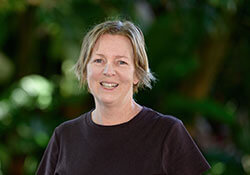
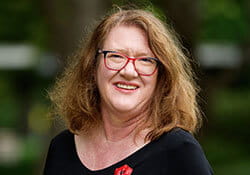
Elizabeth Curtis is a senior lecturer teaching reading and literacy in the early years and lower primary to pre-service teachers. She is interested in children’s literature, picture book philosophy and values education.
Session 1: Connecting children with their worlds through philosophical inquiry and children’s picture books – part 1
Discover skills, conceptual developmental activities and picture books to examine a variety of philosophical questions that children ask.
Date: 14/07/2026
Time: 4.30 pm – 5.30 pm
Target Audience: Early years teachers, educators, teacher-librarians
Applicable APSTs or other relevant professional/industry standards: 1.2, 3.5, 4.1
Session 2: Connecting children with their worlds through philosophical inquiry and children’s picture books – part 2
This ‘how to’ workshop steps through skills in philosophical questioning and inquiry through children’s picture books. This workshop builds on the first, although can be completed as a standalone session.
Date: 28/07/2026
Time: 4.30 pm – 5.30 pm
Target Audience: Early years teachers, educators, teacher librarians
Applicable APSTs or other relevant professional/industry standards: 1.2, 3.5, 4.1

This session covers identifying burnout, mental health issues and implementing wellbeing strategies in educators. At its heart, this learning will consider meaningful and ethical self-care as an ethical imperative for educators using the PERMAH Model.
Presenter, Dr Yosheen Pillay, is a Senior Lecturer and Clinical Psychologist with over 25 years of experience as a school leader, academic and researcher in mental health and wellbeing in diverse populations. She is passionate about promoting health and wellbeing as foundations for sustainable, thriving educational communities.
Date: 7/07/2026
Time: 11.00 am – 12.30 pm
Target Audience: Early career educators, counsellors, school leadership teams
Applicable APSTs or other relevant professional/industry standards: APST Standard 4 Create and maintain supportive and safe learning environments.

This series explores the importance of relationships between teachers and students in alternative schools in building excitement and engagement with literacy. The first session is aimed at teachers and the second session is aimed at school leaders.
Presenter, Dr Jillian Guy, is a lecturer in curriculum and pedagogy (positive behaviour) at the University of Southern Queensland. She has been a teacher, head of department (curriculum), a writing coach, a deputy principal and a literacy curriculum writer. She has a passion for working with vulnerable people and communities and research that can change lives.
Session 1: Before the program: How relationships reignite literacy engagement
This presentation explores how strong, authentic teacher–student relationships can reignite vulnerable students’ motivation for reading and writing in alternative school settings. Teachers will gain practical insights into how relational practice fosters engagement, confidence, and renewed pathways for learning.
Date: 23/07/2026
Time: 4.00 pm – 5.00 pm
Target Audience: Teachers at alternative schools
Applicable APSTs or other relevant professional/industry standards: 1.3, 2.1, 4.1
Session 2: Leading with relationships: Re-engaging vulnerable learners in literacy
This presentation will explore the importance of building strong relationships with vulnerable students to build excitement and motivation to re-engage with literacy before there is a focus on curriculum or programs.
Date: 20/08/2026
Time: 4.00 pm – 5.00 pm
Target Audience: School leaders at alternative school settings.
Applicable APSTs or other relevant professional/industry standards: 1.3, 2.1, 4.1

This series on First Nations education will cover cultural safety, community collaboration, and First Nations pedagogies, providing educators with the knowledge and tools to create respectful, inclusive and effective learning environments.
Session 1: Curriculum: First Nations pedagogies and resources
This session covers key pedagogies and strategies and looks at selecting appropriate resources for the classrooms. This session aims to provide practical strategies for creating inclusive and effective learning environments.
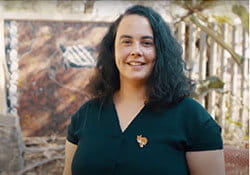
Presenter, Tonia Chalk, is an Aboriginal woman from Southwest Queensland, currently living and working on Giabal, Jarowair, and Western Wakka Wakka country. She is a First Nations Lecturer at the University of Southern Queensland Toowoomba, and a confirmed PhD candidate in the School of Humanities at Griffith University.
Date: 01/06/2026
Time: 4.30 pm – 5.30 pm
Target Audience: Primary/Secondary teachers, early childhood teachers, preservice teachers
Applicable APSTs or other relevant professional/industry standards: 1.4, 2.4
Session 2: Culture: First Nations cultural safety in education
This session covers cultural safety, and we’ll dive into what it means to create a respectful and inclusive space for First Nations students. This session is all about giving educators the tools they need to support First Nations students effectively.
Presenters: Paul Carmody, Amy Thomson, Dr Emerson Zerafa-Payne
Paul Carmody is UniSQ’s Cultural Lead, working in the First Nations portfolio of the university. Paul has a lengthy background in education, including primary teaching and environmental education.
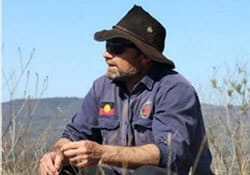
Amy Thomson is a proud Mandandanji woman and a Lecturer in English Curriculum and Pedagogy at UniSQ. Her PhD research at the University of Queensland examines how the principles of self determination and codesign can shape the embedding of Aboriginal and Torres Strait Islander perspectives in English at private schools. Amy brings extensive teaching experience as a former secondary English and Music teacher.
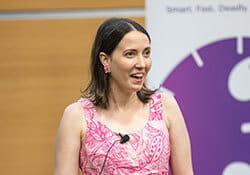
Emerson Zerafa-Payne is a Senior Lecturer in the School of Education and Creative Arts. His research focuses on policy, First Nations and gender and sexual diversity, and making change from the top down. Emerson has a background a secondary teacher.

Date: 14/07/2026
Time: 3.30 pm – 4.30 pm
Target Audience: Primary/Secondary teachers, early childhood teachers, school leaders, teacher aides, preservice teachers
Applicable APSTs or other relevant professional/industry standards: 1.4, 2.4
Session 3: Community: Working alongside First Nations communities in education
This session focuses on working with First Nations peoples and communities, and looks at the nature of relationships, where to go, and common fears. This session aims to provide practical guidance for fostering meaningful and respectful relationships with First Nations peoples and communities.
Presenters: Dr Lisa Ryan, Dr Jillian Guy, Dr Emerson Zerafa-Payne
Lisa Ryan is a lecturer in UniSQ’s School of Education and Creative Arts. Her background is in Environmental and Sustainability Education and she has worked in numerous contexts and across sectors both in Australia and internationally including education, NGO, government and research.
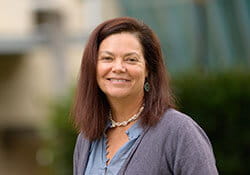
Jillian Guy is a lecturer in curriculum and pedagogy (positive behaviour) at the University of Southern Queensland. She has worked as a teacher, a head of department (curriculum) and a deputy principal. Jillian has a passion for social justice and research that makes a difference in people's lives with experience in both health and education research with First Nations communities.

Emerson Zerafa-Payne is a Senior Lecturer in the School of Education and Creative Arts. His research focuses on policy, First Nations and gender and sexual diversity, and making change from the top down. Emerson has a background a secondary teacher.
Date: 29/07/2026
Time: 3.30 pm – 4.30 pm
Target Audience: Primary/Secondary teachers, early childhood teachers, school leaders, teacher aides, preservice teachers
Applicable APSTs or other relevant professional/industry standards: 1.4, 2.4

This four-part series translates new Queensland research on SWBP workload, role strain, and MTSS misalignment into practical, system-level strategies. Participants will leave with clear, actionable approaches to shift from reactive overload to sustainable, preventative practice across school and regional contexts.
Session 1: Making sense of workload, pressure, and role strain
This session unpacks new Queensland research on SWBP workload, revealing where time is actually spent and why preventative work continues to be squeezed. Participants will gain a clear understanding of the mismatch between what matters, what they know, and what they have time to do — and what this means for practice.
Presenter, Dr Rachel Leslie, is a Lecturer of Curriculum and Pedagogy (Educational Psychology) at the University of Southern Queensland. She has 20 years’ experience across multiple education settings, including early childhood, primary and secondary contexts with nearly a decade of experience in the tertiary setting.

Date: 22/06/2026
Time: 4.30 pm – 6.00 pm
Target Audience: School Wellbeing Professionals (Guidance Officers, psychologists, counsellors), school leadership teams, regional wellbeing staff
Applicable APSTs or other relevant professional/industry standards: 6.2, 6.3, 7.4
Session 2: Why prevention keeps failing (even when we know it matters)
This session explores the system pressures that drive reactive practice, alongside the emotional realities of compassion fatigue, secondary traumatic stress, and moral injury in SWBP roles. Participants will develop a shared language to understand their experiences and identify how structural conditions — not individual capability — shape what is possible in their work.
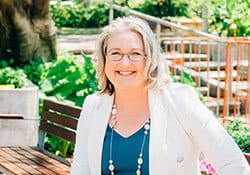
Presenter, Dr Glenys Oberg, is a Lecturer in Education (Educational Psychology and Wellbeing) at the University of Southern Queensland, specialising in teacher wellbeing, trauma-informed practice, and compassion fatigue. Glenys works closely with schools and systems to translate research into accessible, evidence-informed strategies that support both student outcomes and teacher wellbeing.
Date: 29/06/2026
Time: 4.30 pm – 6.00 pm
Target Audience: School Wellbeing Professionals, inclusion and behaviour leaders, regional mental health and wellbeing staff
Applicable APSTs or other relevant professional/industry standards: 4.4, 6.2, 7.2
Session 3: Practical shifts that actually create time
This session provides practical, evidence-informed strategies to rebalance workload across Tier 1, 2, and 3 without adding additional hours or resources. Participants will leave with concrete approaches to protect preventative time, streamline supports, and reduce reactive pressure in their day-to-day work.
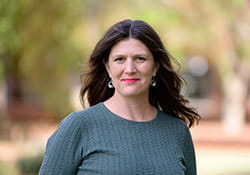
Presenter, Dr Rachel Leslie, is a Lecturer of Curriculum and Pedagogy (Educational Psychology) at the University of Southern Queensland. She has 20 years’ experience across multiple education settings, including early childhood, primary and secondary contexts with nearly a decade of experience in the tertiary setting.
Date: 6/07/2026
Time: 4.30 pm – 6.00 pm
Target Audience: School Wellbeing Professionals, Heads of Department (Student Services/Wellbeing), inclusion support coordinators
Applicable APSTs or other relevant professional/industry standards: 1.6, 4.1, 4.2
Session 4: Leading system change (school and regional level)
This session focuses on how leaders can create the conditions for sustainable wellbeing systems through clearer roles, protected time, and structured support. Participants will gain actionable strategies to embed change at school and regional levels, improving both staff wellbeing and student outcomes.
Presenter, Dr Glenys Oberg, is a Lecturer in Education (Educational Psychology and Wellbeing) at the University of Southern Queensland, specialising in teacher wellbeing, trauma-informed practice, and compassion fatigue. Glenys works closely with schools and systems to translate research into accessible, evidence-informed strategies that support both student outcomes and teacher wellbeing.
Date: 13/07/2026
Time: 4.30 pm – 6.00 pm
Target Audience: Principals and Deputy Principals, regional leaders and Directors, senior wellbeing and inclusion leads
Applicable APSTs or other relevant professional/industry standards: 6.3, 7.3, 7.4